

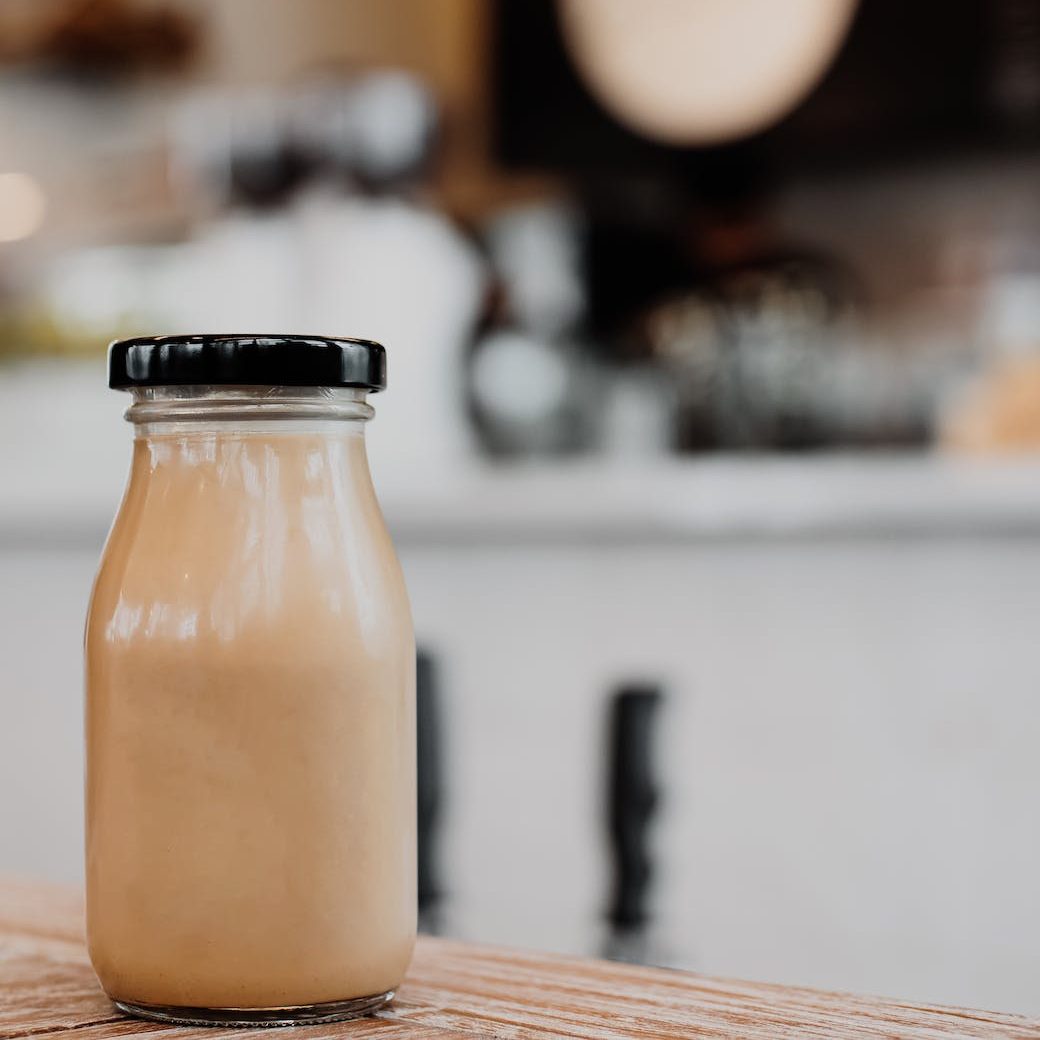
What is Mayonnaise?
Mayonnaise is a thick, creamy condiment with a neutral flavor that is primarily used on sandwiches, hamburgers, hotdogs, or as an ingredient in items like chicken salad, tuna salad, or deviled eggs. While it does not contribute a strong flavor, it certainly adds moisture and improves the textures of some foods.
Why should I make Mayonnaise at Home?
If you’re like me, you probably grew up with mayonnaise as a staple in your house. Maybe you even grew up hearing the story of your mom as a kid eating out of the mayonnaise jar with a spoon cause she just loved mayo that much. Oh, that’s just me?
Well, even though mayonnaise made a regular appearance in my life, I used to have no idea where it actually came from. Eventually I came to find out that the typical store-bought mayonnaise is actually composed of A LOT of ingredients, many of which I personally don’t want to consume.
Thankfully, it doesn’t have to be made this way. My homemade mayonnaise recipe is a simple combination of Avocado oil, egg, mustard, salt, and apple cider vinegar or lemon juice. These minimal and healthful ingredients are easily combined to create a smooth mayonnaise, without any questionable ingredients, that you can feel good about eating.
Making homemade mayonnaise is incredibly simple. By making it at home you will know firsthand the ingredients it contains, allowing you to avoid ingredients like seed oils or preservatives. Making your own mayonnaise will save you money, as purchasing a product of similar quality to what this recipe creates can be quite pricey. Plus, the ingredients of mayonnaise are likely ones that you already have in your kitchen, which means you don’t even have to go to the store before giving this recipe a try.
In summary, making homemade mayonnaise is convenient, easy, cost-effective, and satisfying. The end result is something you can feel good about eating and feeding to your family.
How can I use Homemade Mayonnaise?
Mayonnaise has various applications, both in and out of the kitchen, that make it a household staple.
Homemade mayonnaise can be used as a condiment on things like sandwiches, hamburgers, or hotdogs. It can be a base to create different salad dressings or dips. It is used in tuna salad, chicken salad, egg salad, or potato salad, and is a star ingredient in deviled eggs. It can even be spread on the outside of your grilled cheese sandwich to create crispiness, or thrown in a bowl of chili as a substitute for sour cream.
Aside from foods, mayonnaise also has some uses in the beauty world, due to its moisturizing abilities. One can use mayonnaise as a hair mask, to moisturize dry skin, and even to strengthen fingernails.
Lastly, mayonnaise can be very helpful in loosening up any sticky residues. You can use it to remove stickers or sap from items by dolloping on a good amount and then washing it away afterward with soap and water.
Things to know
You will need an immersion blender to make this recipe.
The primary building blocks of mayonnaise are egg, oil, and some sort of acid.
When making mayonnaise, it is recommended that you use pasteurized eggs to ensure that any risk associated with consuming raw eggs is avoided. However I personally use raw eggs from a local farmer and I don’t feel any concern in doing so as I know and trust their source. You should follow your instinct here.
This mayonnaise recipe cannot be made without eggs as the egg is what acts as an emulsifier and causes the oil and acid to combine and take a different form.
Avocado oil is my personal favorite to use when making mayonnaise, as it has a very neutral taste compared to olive oil and is better for you than alternatives such as vegetable, rapeseed, or canola oil. However, if you don’t have avocado oil available to you another oil will work as a substitute.
Making homemade mayonnaise is really a small science experiment, and it’s kind of magical to watch the oil change into a creamy, structured sauce right before your eyes. I encourage you to look into the scientific process behind this if you have the time.
How to Make Homemade Mayonnaise
Ingredients & Tools:
- 1 cup Avocado Oil
- 1 Egg
- 1 tsp Mustard
- 1/2 tsp Salt
- 1 Tbsp Apple Cider Vinegar or Lemon Juice
- Immersion Blender – A must have for this recipe.
- Jar or Container – If you have one that your immersion blender can fit into, you can make and store your mayo in one dish.
Directions:
- Crack the egg into your jar or container. Add the mustard, salt, ACV or lemon juice, and avocado oil on top.
- Place your immersion blender, turned off, against the bottom of the jar. Turn on the immersion blender and hold it at the bottom of the jar to blend the egg well. After a few seconds, slowly lift it upwards, incorporating the avocado oil into the egg mixture a bit at a time. As the blender pulls more oil in, the mixture should be quickly incorporated into a thick, fluffy mayonnaise.
- When you have moved the immersion blender from bottom to top of the jar and the oil has fully incorporated, your mayonnaise is finished and ready to use.
Store in the refrigerator for 1-2 weeks, or try mixing in a bit of whey (such as the liquid off the top of your yogurt) to extend the shelf life up to one month.
Leave a comment below letting me know how this recipe works for you!
Be sure to Subscribe for more recipes straight to your inbox.
Recipe Card
Homemade Mayonnaise
Ingredients & Tools
- 1 cup Avocado Oil
- 1 Egg
- 1 tsp Mustard
- 1/2 tsp Salt
- 1 Tbsp Apple Cider Vinegar or Lemon Juice
- Immersion Blender
- Jar or Container (You can make and store your mayo in the same container.)
Directions
- Crack the egg into your jar or container. Add the mustard, salt, ACV or lemon juice, and avocado oil on top.
- Place your immersion blender, turned off, against the bottom of the jar. Turn on the immersion blender and hold it at the bottom of the jar to blend the egg well. After a few seconds, slowly lift it upwards, incorporating the avocado oil into the egg mixture a bit at a time. As the blender pulls more oil in, the mixture should be quickly incorporated into a thick, fluffy mayonnaise.
- When you have moved the immersion blender from bottom to top of the jar and the oil has fully incorporated, your mayonnaise is finished and ready to use.
- Notes:
- Store in the refrigerator for 1-2 weeks, or try mixing in a bit of whey (such as the liquid off the top of your yogurt) to extend the shelf life up to one month.

 Simple Sustainable Sovereign
Share your thoughts