

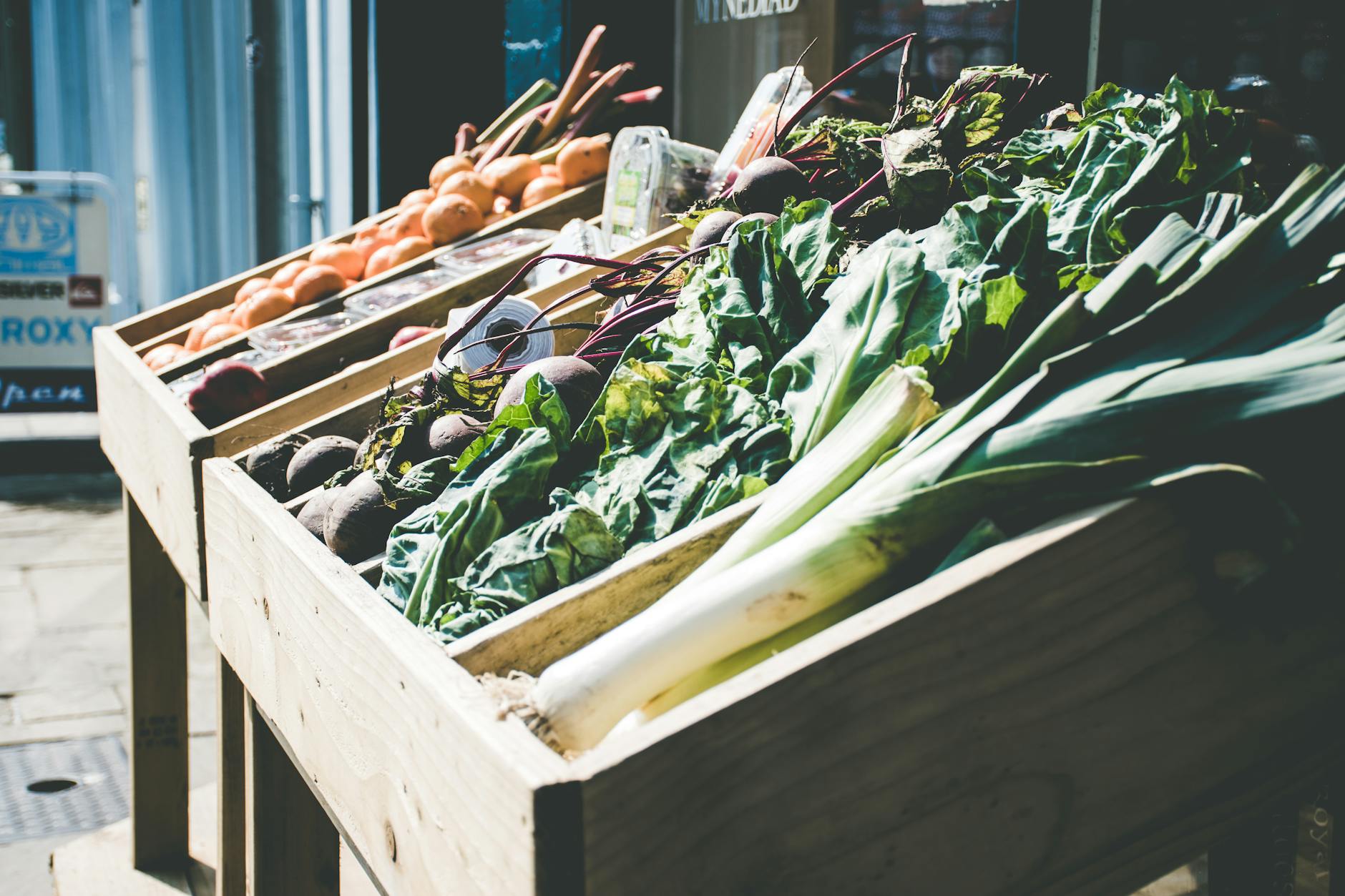
Do you like to grocery shop?
Whether heading to the grocery store is the highlight of your week, something you try your hardest to avoid, or just a neutral event that you neither appreciate nor dislike, it is a necessity. Grocery shopping is another one of those acts that must be done, again and again, throughout the course of our lives. It is a cycle that keeps repeating.
Just like any cycle in life, it can become mundane, annoying, or unpleasant. However, when we choose to refocus and put a bit of effort and intentionality into a task like grocery shopping, we can improve our overall experience with small changes that will make a positive impact on our life as a whole. I am going to share with you the simple way to maximize your grocery shopping routine by creating a sustainable grocery cycle. This will enable you to stay on track in nurturing yourself and your loved ones.
Pick your Priorities
The first step in creating a grocery shopping routine that is easy to sustain is to get clear on your priorities. What are your main goals when you think about the food you buy? Are you trying to be as frugal as possible? Do you care about the quality and nutritional value of the food, above all else? Or are you most concerned with buying foods that create quick, easy meal options? These are all good priorities to have, and it is likely that you are focusing on more than just one.
For myself, my current top priority is the quality and nutritional value of our food, in conjunction with staying as close to in budget as possible. I am able to spend more time cooking right now, so I prioritize making things from scratch if that means they will be better for us. At other points in my life though, keeping my spending on groceries low was my top priority, with food quality and ease of preparation coming in close behind.
These are all good goals to aspire to, but the priority that each goal holds shifts with the current status of finances, health, and time. Which means that it is important to check in occasionally and get a look at where you are at so that you can adapt accordingly.
If your top priority is to save money:
Shop less. The best way to save money on groceries is to go to the store less. You might work on lengthening the stretch of time between shopping trips so that you only go to the store once or twice a month. That may seem unattainable to you right now, especially if you’re currently stopping to pick things up daily, but if you learn the tricks to keep your produce fresh longer, utilize your freezer and dried goods more, and learn a few basic meals you can whip up with the ingredients you already have on hand, you will be able to reduce your trips to the market and with them your overall spending.
Stick to the basics. Buying more basic ingredients such as rice, beans, ground beef, oatmeal, chicken, sausage, potatoes, and onions is a great way to save money. There are still plenty of tasty and nutritious meals to be made with more basic ingredients, and they are some of the most affordable things to purchase.
Take advantage of discounts and sales. Be sure to sign up for any rewards programs that your supermarket offers and take a look at their weekly sales flier to shop accordingly. If you are prioritizing saving money, it is a good idea to plan your meals around the items that are discounted or on sale, instead of shopping for specific things.
If your top priority is to eat high quality food:
Source local. Find the farmers, farmstands, farmer’s markets, or local grocers that care about their livestock and farming practices. Focus on organic foods, grass-fed beef, pasture raised eggs and chickens, single ingredients, and raw or non-homogenized grass-fed dairy. The closer you can get to the source of the food you are purchasing, the better quality it is likely to be.
Check ingredients. Read the label before you buy. Many items have unnecessary added ingredients to make up for poor quality. Shopping for single ingredient foods is a great way to avoid these additives. Whenever you are purchasing anything with more than one ingredient, check the ingredients to make sure that everything in it is something you want to be ingesting. Some ingredients that are frequently added to foods and may signal a diminished quality are seed oils, such as canola, sunflower, palm, or safflower, and natural or artificial flavors.
If your top priority is to keep it quick and simple:
Know your staples. Learn a few easy, healthy meals that can be made quickly and keep those ingredients stocked so that you can make them on the fly.
Double up. Buy enough to make a double batch of whatever you are cooking and put the extra in the freezer for those times where you need something that’s ready to go.
Stay One Step Ahead
Once you know your priorities, the next step in making your grocery shopping routine more sustainable is to begin putting some intention in it.
Intentionally avoid wasting food & money:
Did you know that the average American household wastes close to $1000 worth of food every year? (source) I believe this is totally unnecessary and something we should be actively trying to avoid.
Some ways to reduce this waste are to:
- Only buy as much of something as you know you will use.
- Wait until you run completely out of an item before buying more.
- Store your fruits and veggies properly so they stay fresh longer.
- Keep ingredients in the freezer until you need them.
- Prioritize cooking meals with any ingredients you have that are close to expiring.
Prepare where possible:
Know what you need. If it is possible for you, I highly recommend creating a list of what you need before heading to the store, even if this list is just in your head. This will help you to avoid buying random unnecessary items and help you remember to get what you actually need. I keep my list in the notes on my phone and I like to read over it when I pull up to the store so that the items are fresh in my mind.
Compare prices. Being prepared includes comparing the prices of items at different locations and knowing which stores offer the best value. Often times, grocery stores share their prices online, so I will occasionally compare the price from one place to the next while standing in the grocery aisle.
Utilize your belongings. Another way that you can practive intentionality in your grocery shopping is by being sure to bring your reusable grocery bags, any jars you can use for items from the bulk section, and any egg cartons or milk jars that need to be returned to the farmer.
Grocery shopping is a task, not a hobby:
Keep your shopping trips focused. There’s no need to walk up and down every single aisle of the grocery store and see what is on them. Doing this will result in wasting a lot of time and likely money as well.
Additionally, having a goal for how many times you visit the grocery store is a great way to practice intentionality in your shopping. For the last year, I’ve done my best to grocery shop once a month. We occasionally go once or twice more to pick up a couple ingredients if needed, but for the most part I stick to this goal. By doing this, I have created a sustainable grocery shopping routine that saves me both time and money. Knowing when you plan to be back at the store will help you to think in advance about what you need to be able to get by until the next time.
Choose to make it simple.
Grocery shopping doesn’t have to be drudgery. It is a repetitive task, but it’s an important one, and by choosing to take a look at your relationship with it you can take steps to improve it. This will have a positive impact on your life as a whole, even if it’s just in a small way.
Know your goals when it comes to the food you are buying, and practice some intentionality in your approach. By doing these things, you will run into less difficulty in making decisions while you are grocery shopping or planning meals, which will allow your daily life to flow more smoothly.
What are your priorities when it comes to grocery shopping? Do you have any awesome shopping tips you’ve learned? I’d love to hear from you in the comments below.
 Simple Sustainable Sovereign
Share your thoughts